
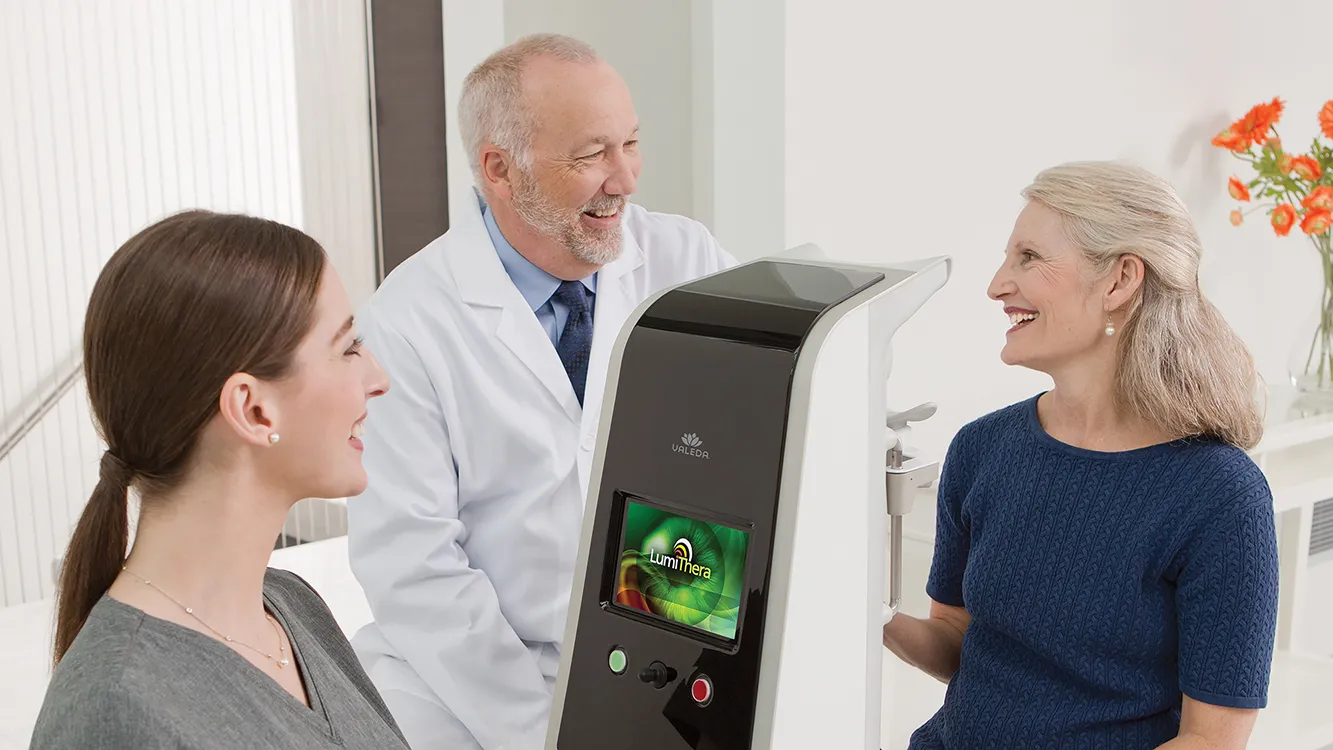
Valeda® Light Therapy
for Dry Macular Degeneration
A New Approach to Vision Preservation
For Select Patients with Dry Macular Degeneration
Ascend Vision is introducing a Vision Preservation Program featuring the Valeda® Light Delivery System, an FDA-authorized, non-invasive light-based therapy for certain patients with Dry Age-Related Macular Degeneration, also known as Dry AMD.
This program is designed for patients who are interested in learning more about emerging treatment options that may help support visual function and long-term vision preservation.
What Patients Should Know
Valeda® is FDA-authorized for certain patients with Dry AMD. Early clinical studies have shown modest improvement or maintenance of visual function in some patients over time.
However, clinical research is still evolving. Larger studies and additional long-term data will help determine how effective photobiomodulation therapy may be for broader groups of patients with macular degeneration.
This treatment is not a cure for macular degeneration, and individual results may vary.
What Is Macular Degeneration?
Macular degeneration is a common age-related eye condition that affects the macula, the part of the retina responsible for central vision.
Central vision is important for everyday activities such as:
- Reading
- Driving
- Recognizing faces
- Watching television
- Seeing fine detail
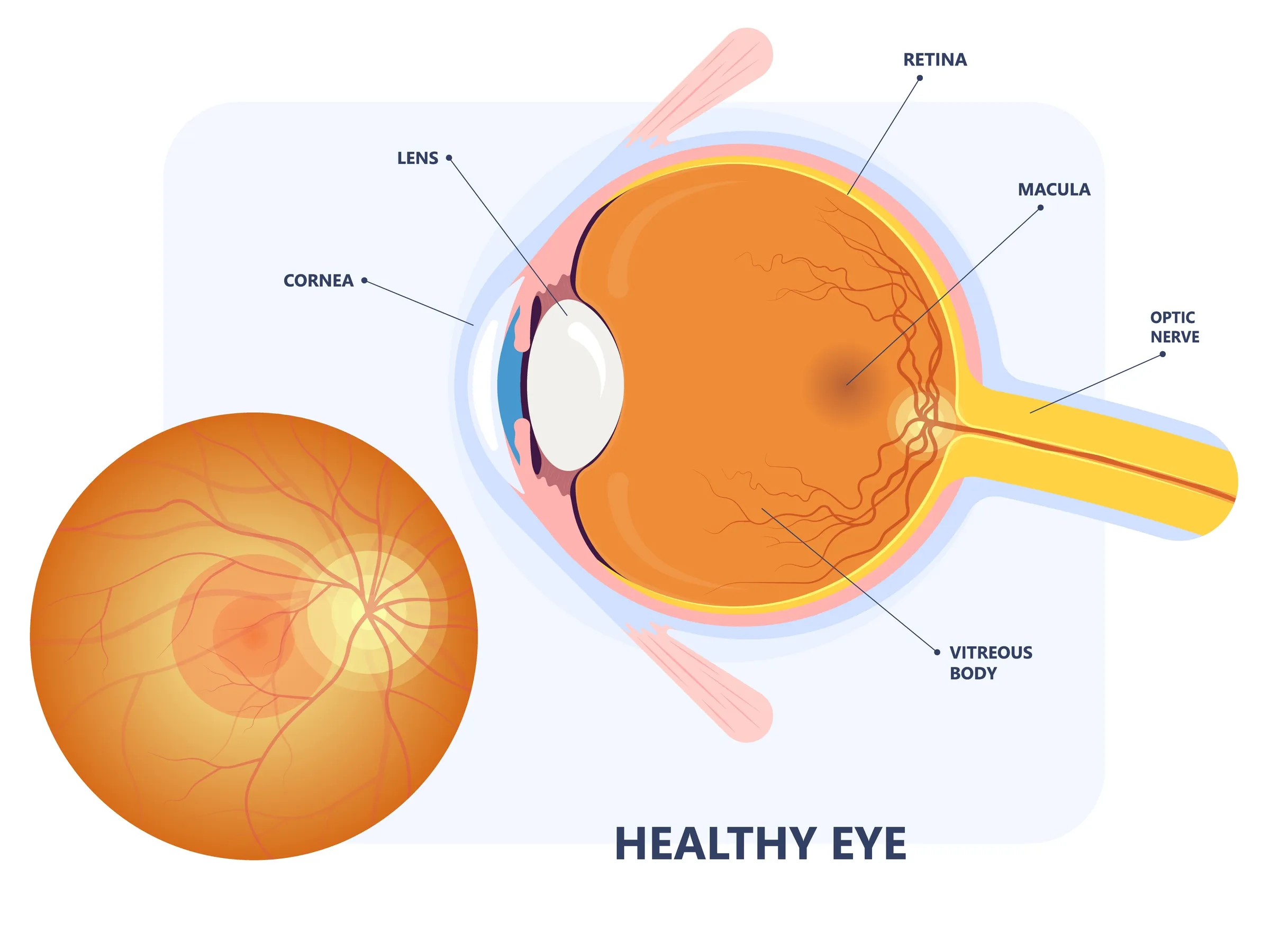
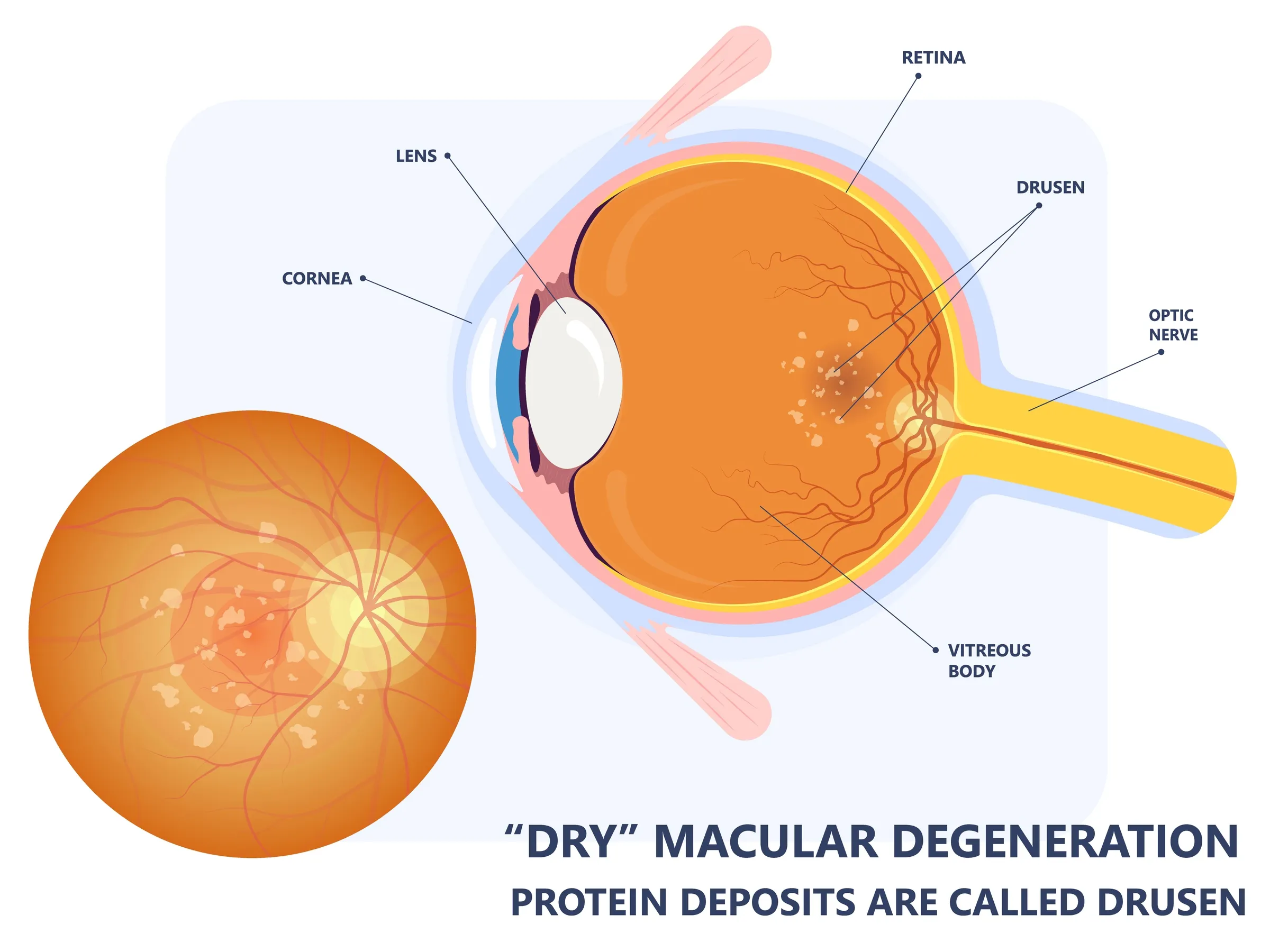
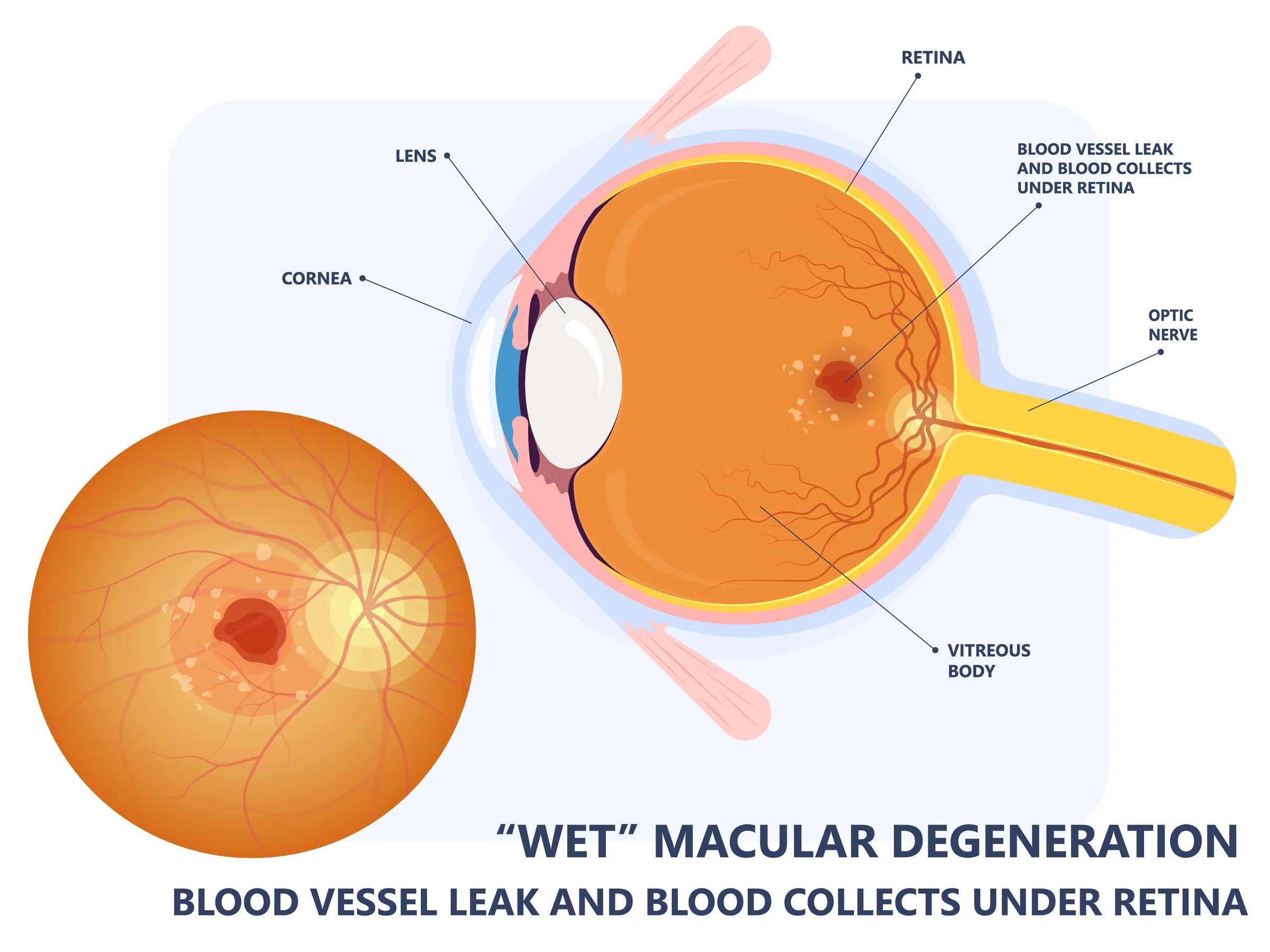
Many patients with early or intermediate macular degeneration are monitored closely over time. For patients who are concerned about progression, especially those with a strong family history, emerging treatment options may be worth discussing with their eye care team.
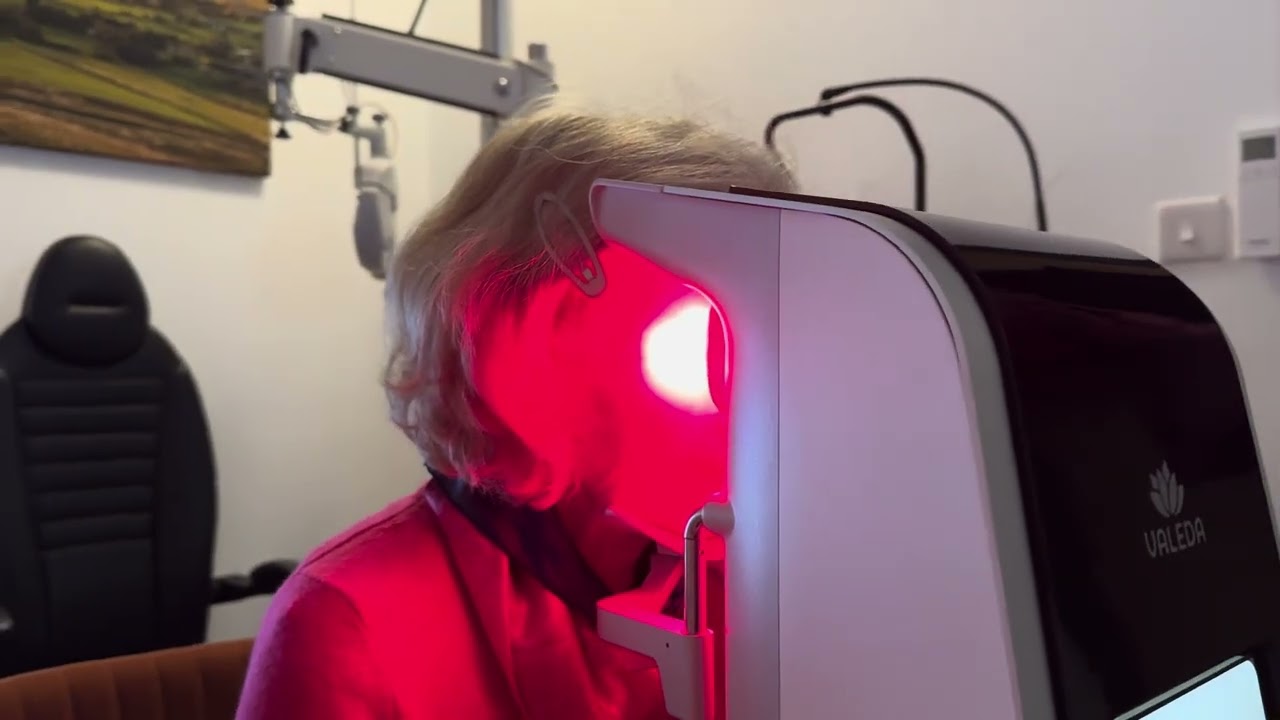
What Is Valeda® Light Therapy?
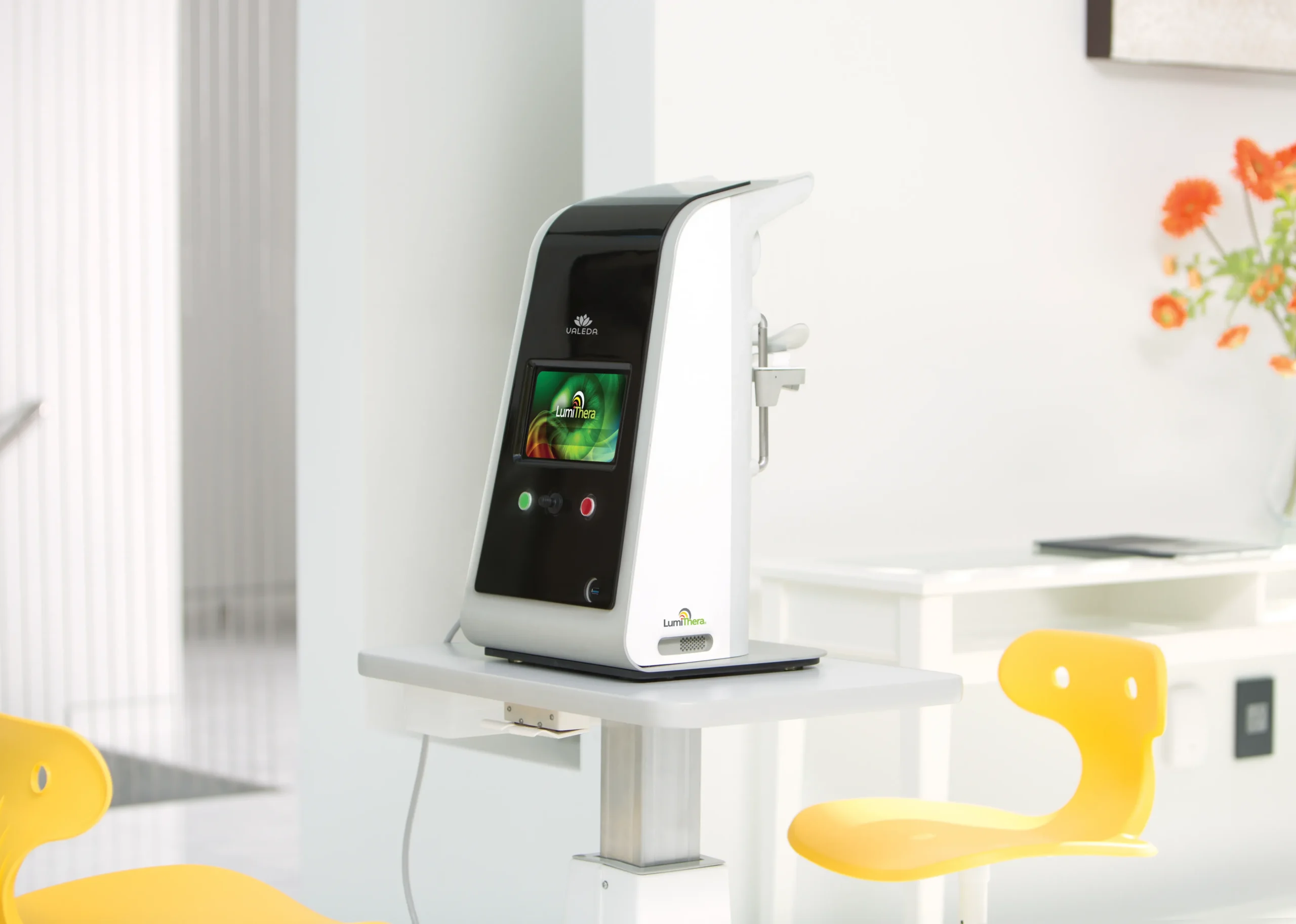
Valeda® is a light-based treatment that uses photobiomodulation, or PBM, to deliver specific wavelengths of light to the retina.
The treatment is:
- Non-invasive
- Injection-free
- Anesthesia-free
- Speculum-free
- Dilation-free in many cases
- Performed in-office
The goal of treatment is to support retinal cellular health and visual function in select patients with Dry AMD.
Why Ascend Vision Is Offering This Program
At Ascend Vision, we believe patients deserve access to thoughtful, transparent, and medically responsible conversations about new technologies.
Valeda® is not being presented as a cure. Instead, it is part of a carefully evaluated Vision Preservation Program for patients who may be interested in proactive options for macular degeneration.
For some patients, especially those with early disease, strong family history, or fear of progression, exploring emerging technologies may be an important part of their care journey.
Who May Be a Candidate?
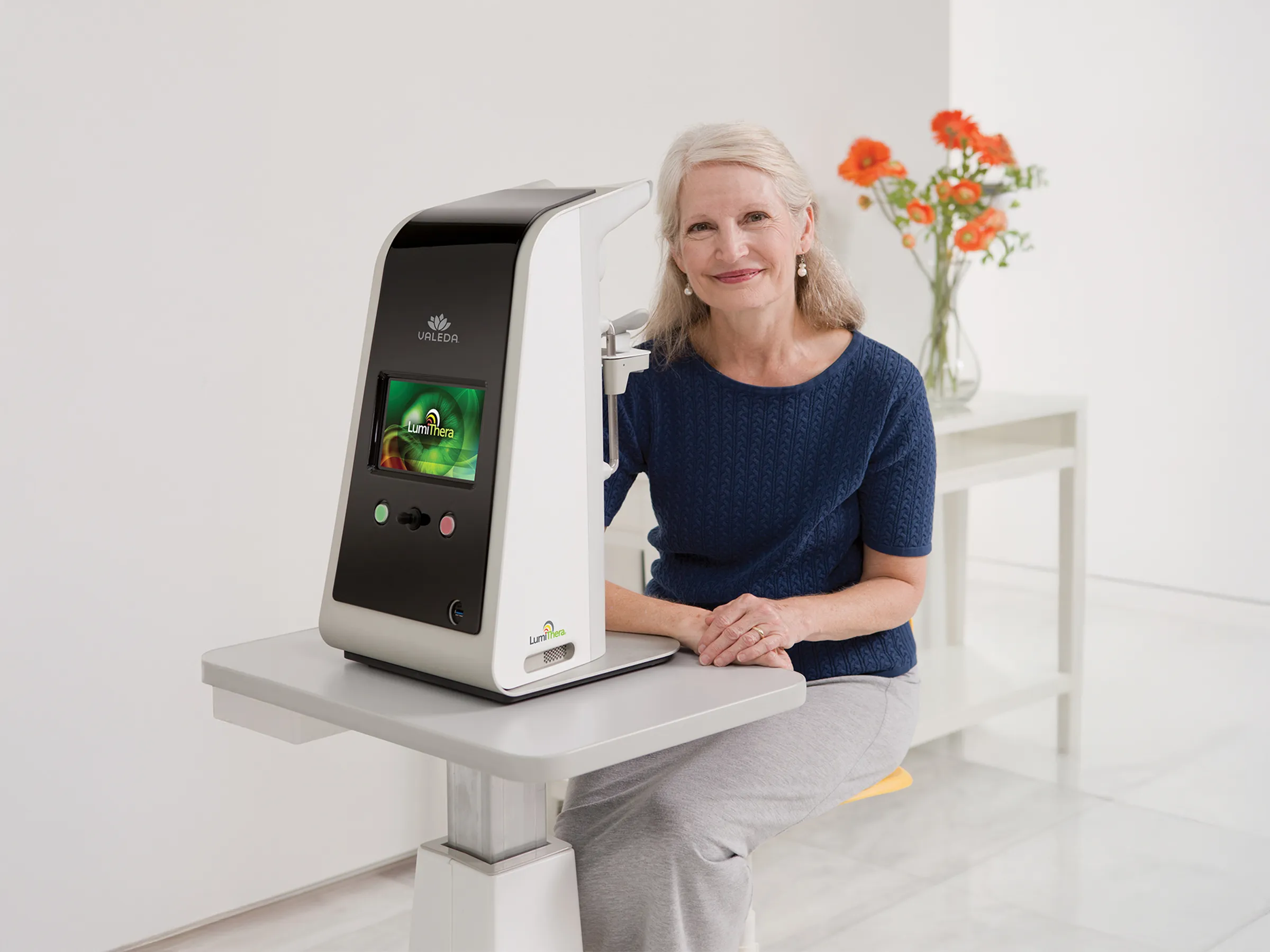
You may be a candidate for this program if you:
- Have been diagnosed with Dry AMD or macular degeneration
- Have early or intermediate disease
- Have concerns about future vision loss
- Have a family history of macular degeneration
- Are interested in learning about emerging treatment options
- Are willing to complete a series of in-office treatments
A consultation is required to determine whether this program may be appropriate for you.
What to Expect
Treatment Schedule
Treatment typically involves a series of light therapy sessions performed over several weeks. Three (3) sessions per week for three to five (3-5) weeks.
A member of our care team will review the recommended treatment plan, expected visit schedule, and follow-up process with you before you begin.
Treatment Experience
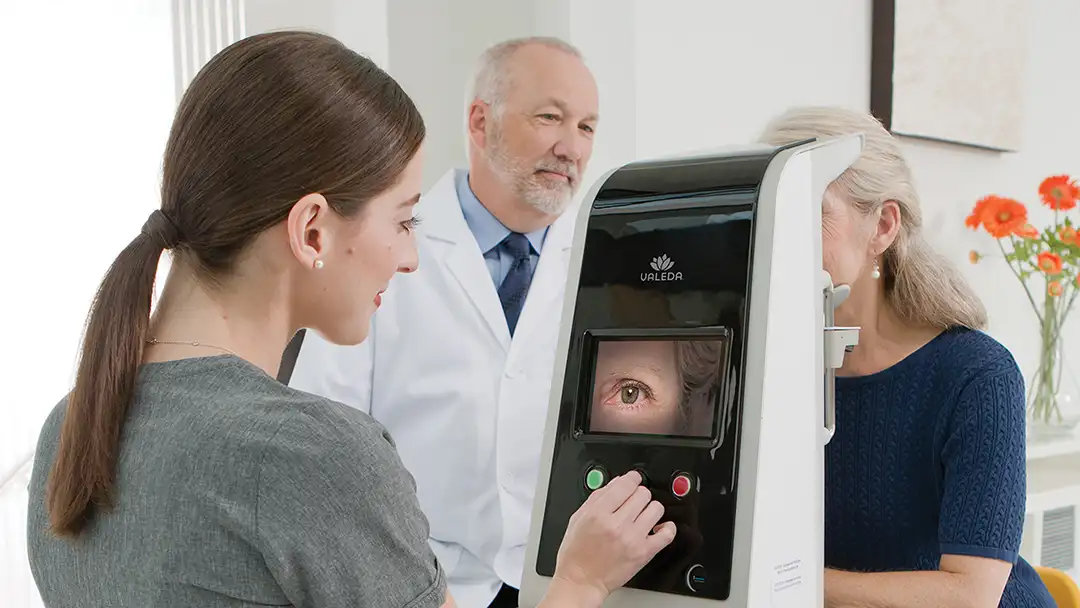
Valeda® therapy is performed in the office and is designed to be comfortable and non-invasive. Most sessions are brief, and patients can generally resume normal activities afterward.
Is Valeda® Covered by Insurance?
Coverage may vary by payer and plan. Some insurance plans may not cover this therapy at this time. However, aggressive payment options are available.
Our team will help review available options with you before treatment begins. Patients should understand that out-of-pocket costs may apply.
Medical innovation often takes time to fully evaluate. Similar to other areas of eye care, including nutritional research for macular degeneration, broader clinical understanding develops as more patients are studied over time.
Current research suggests potential promise for certain patients, but more long-term evidence is needed.
Our goal is to provide clear information, answer your questions, and help you make an informed decision with your doctor.
Frequently Asked Questions
Interested in Learning More?
If you or a loved one has been diagnosed with macular degeneration, our team can help you understand whether the Vision Preservation Program may be appropriate.